


#01 — THE ONE EQUATIONEverything reduces to a single line
In residential storage, C&I systems and utility-scale stations you constantly meet numbers like 2.56 kW, 60 kW, 120 kW, 2 MW — and right beside them 5.12 kWh, 16.08 kWh, 241 kWh, MWh-scale. They look interchangeable. They are not.
kW describes power — how fast energy flows. kWh describes energy — how much is stored. And the time a system can actually run is the ratio between the two:
kWh= kW× h → duration=kWh÷kW
A 5 kW / 10 kWh system can theoretically discharge at full power for 10 kWh ÷ 5 kW = 2 h. Hold on to that line — the rest of this page is just what happens when the real world gets in its way.
#02 — POWERkW is a speed, not an amount
Physically, 1 W = 1 J/s. So kW measures the rate of energy transfer — 5 kW means roughly 5,000 joules leaving the system every second. This is why inverter and PCS manufacturers spec their hardware in kW: it tells you how fast the machine can push energy, not how long.
Think of a water tank. The capacity of the tank is your kWh. The width of the pipe is your kW. The time until the tank is empty is your discharge duration. Try it:
The Tank — drain a battery in real time Interactive · Live simulation
Battery capacity16.08 kWh
Load power2.0 kW
Time compression1 s = 60 min
#03 — ENERGYkWh is how much the tank holds
kWh — kilowatt-hour — is an amount of energy. One kWh is exactly what your utility bill calls one unit of electricity. A battery rated at 16.08 kWh nominally stores about 16 such units.
Battery makers love kWh because it answers the question users actually ask: “how much electricity can this thing hold?” The scale spans five orders of magnitude:
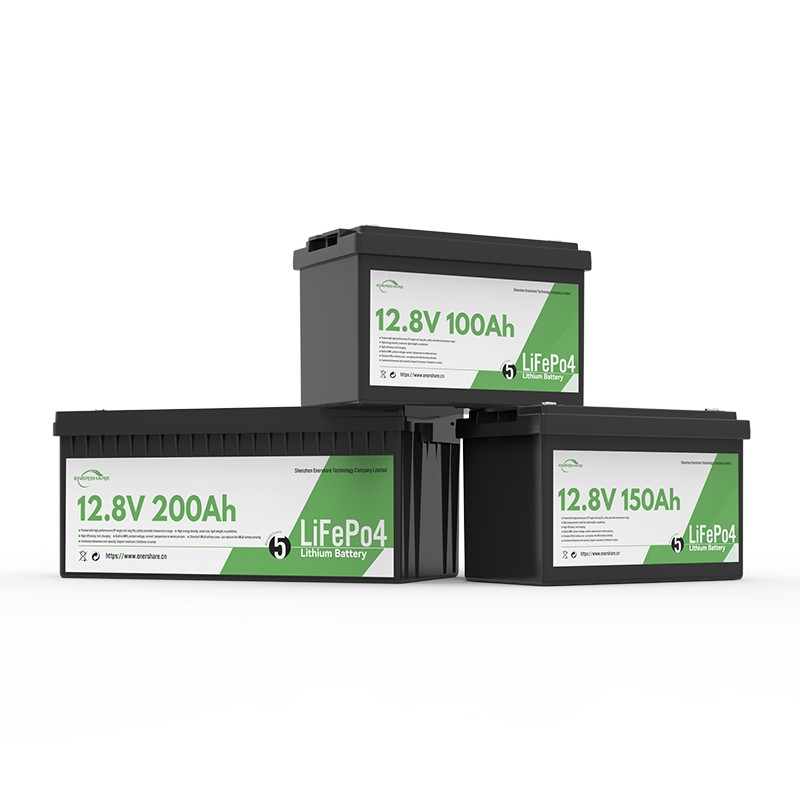
RV / marine battery1.28 kWh
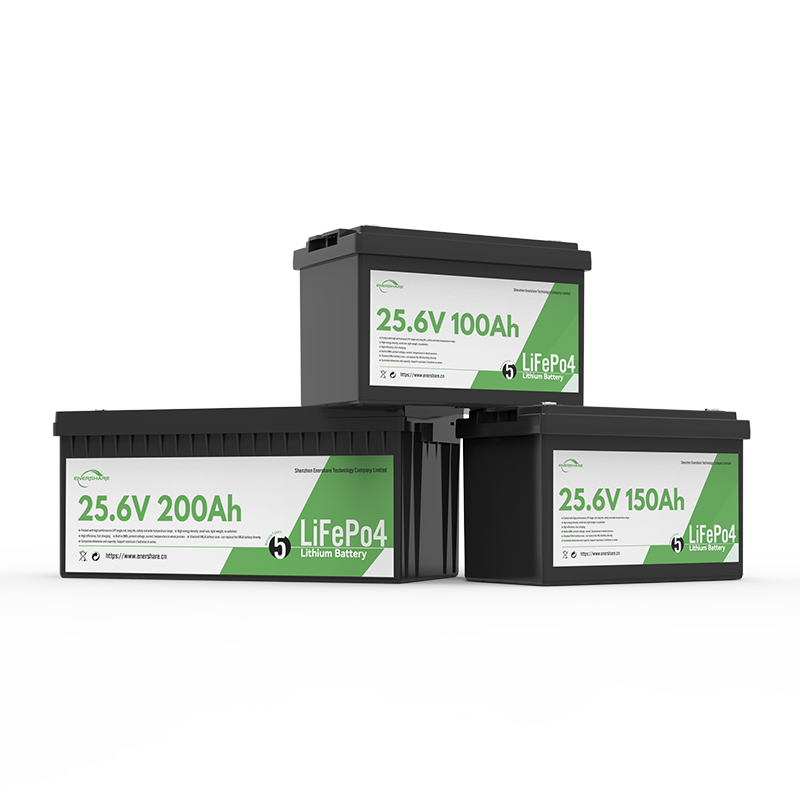
24V RV battery2.56 kWh
iMAX-100 residential5.12 kWh
Active16 residential16.08 kWh
Power-CORE HV tower25.6 kWh
6-tower HV system153.6 kWh
EnerBrick C&I cabinet241 kWh
Containerized BESS2 MWh+
But a bigger tank doesn’t guarantee longer runtime — duration lives in the ratio, not in the size alone.

#04 — SAME kW, DIFFERENT HOURSWhy power alone tells you nothing about duration
Take two systems, both built around a 5 kW inverter:
- System A — 5 kW × 5.12 kWh battery →
5.12 ÷ 5 ≈ 1 hat full power - System B — 5 kW × 16.08 kWh battery →
16.08 ÷ 5 ≈ 3.2 hat full power
Identical power, three times the runtime. The difference is entirely in the energy. So when someone quotes you “5 kW”, the correct follow-up is always: paired with how many kWh?
#05 — USABLE ENERGYNominal ≠ what actually reaches your sockets
A 16.08 kWh battery does not hand you 16.08 kWh. The BMS reserves a safety margin (DOD — depth of discharge), and the inverter takes its cut (efficiency, typically 95–98%). The chain looks like this — drag the sliders and watch each stage shave the bar:
The Usable-Energy Chain Interactive · Live computation
Nominal energynameplate rating 16.08 kWh
× DODBMS keeps a reserve 14.47 kWh
× efficiencyPCS conversion loss 13.75 kWh
Actual AC supply at your load → ≈ 6.9 hours
Nominal energy16.08 kWh
Depth of discharge90 %
System efficiency95 %
Your load2.0 kW
 Active16 · 16.08 kWh home battery51.2 V · LiFePO4 · heating + fire safety · 16 parallelView product →
#06 — C-RATESame kWh, completely different muscle
C-rate measures how fast a battery can charge or discharge relative to its own capacity: 1C empties the tank in one hour, 0.5C takes two. Two batteries can share the exact same 5.12 kWh yet behave nothing alike:
- iMAX-100 — max 100A at 51.2V ≈ 5.12 kW (≈1C)
- A standard 0.5C battery — max 50A ≈ 2.56 kW (≈0.5C)
 iMAX-100 · 5.12 kWh residential battery51.2 V / 100 Ah · LiFePO4 · up to 50 in parallelView product →
Press play and race them at full throttle:
The C-rate Race — two 5.12 kWh batteries, full power Interactive · Live simulation
#07 — MATCHINGOne battery, two personalities
The EnerBrick C&I cabinet ships with the same 241 kWh battery but a choice of PCS. Flip the switch — the stored energy never changes, yet the system becomes a different product:
 EnerBrick C&I all-in-one cabinet241 kWh · 120 / 60 kW PCS · IP55 outdoorView product →
241 kWh — pick your PCS Interactive
Discharge rate
≈ 0.5C
power ÷ energy = 120 ÷ 241Full-power duration
≈ 2.0 h
241 kWh ÷ 120 kW
Suited to C&I peak shaving, demand-charge management and short-duration backup.
#08 — READING A REAL DATASHEETThree numbers, one story
Take a real cabinet: PCS 120 kW / Battery 241 kWh / ≈2 h. Read it as a sentence — how fast, how much, how long — and the three reconcile: 120 kW × 2 h ≈ 241 kWh. The unit supports up to 60 cabinets in parallel (MWh-scale), responds in under 200 ms, and integrates BMS + EMS + PCS in one plug-and-play enclosure.
 Containerized BESS · 2 MW+ utility-scaleISO container · LFP + PCS + EMS · modular to multi-MWhView product →
The same reading skill works down the whole range: an iMAX-100 (51.2V/100Ah → 5.12 kWh, 50A continuous ≈ 2.56 kW) charges in about 5.12 ÷ 2.56 = 2 h at continuous current, or 1 h at its 100A maximum — though real charging tapers as SOC rises, so actual times run longer than the naive division.
And an Active16 (16.08 kWh nominal / 14.5 kWh usable, DOD ≤ 90%) feeding a 2 kW nighttime load delivers 14.5 × 0.95 ÷ 2 ≈ 6.9 h of real backup — exactly what the chain calculator above shows.
#09 — THE REAL WORLDWhy actual output drifts from the brochure
Batteries are not ideal components. Real output is constrained by a stack of factors the simple formula ignores:
- Temperature — cold raises internal resistance and shrinks both usable power and energy (which is why cold-climate units like the Active16 add heating, rated −20°C to 50°C, while the EnerBrick’s air-conditioning covers −30°C to 50°C)
- BMS strategy — SOC windows, over/under-voltage and current limits all clip the extremes
- Aging — capacity and power capability both fade with cycles
- Load profile — real energy is
∫ P(t) dt, not a single power figure times time
So: nominal energy ≠ usable energy, and nameplate kW ≠ guaranteed continuous kW. The formula is the map; the BMS, the temperature and the load decide the territory.
#10 — SUMMARYThe whole topic on one screen
| Concept | Unit | Question it answers |
|---|---|---|
| Power | W / kW | How fast does it charge or discharge? |
| Energy | Wh / kWh | How much is stored in total? |
| Time | h | How long can it last? |
| C-rate | C | How fast relative to its own capacity? |
| DOD | % | How much of nominal is actually usable? |
| Efficiency | % | How much survives conversion to AC? |
kWh=kW×h · 1 kWh = 1 unit of electricity · h=kWh÷kW
- kW is power, not energy. kWh is energy, not power.
- Runtime only exists as a ratio: usable kWh ÷ actual kW.
- Same kWh with different kW → completely different products.
- High power + low energy = short backup; low power + high energy = long endurance.
- Nominal ≠ usable — DOD, efficiency and temperature all take their cut.
So the next time you see a 120 kW PCS, don’t ask “how many units of electricity?”. Ask: “paired with how many kWh?” If the answer is 241 kWh — you already know it runs ≈2 hours at full power. You’ve got it.


